Key takeaways
- FormGlut offers the most flexible free plan for beginners
- All seven plugins support GDPR‑compliant fields
- Choose a plugin based on ease of use, integrations, and pricing
Table of Contents
- Introduction
- What to Look for in a Form Plugin
- Top 7 WordPress Form Plugins for 2026
- Why Choose FormGlut?
- Conclusion
Introduction
Finding the right form solution can boost leads, improve user experience, and keep data safe. In this guide we review the Best WordPress Form Plugins for 2026, compare their core features, and explain why FormGlut often emerges as the top pick for both novices and power users.
What to Look for in a Form Plugin
Before diving into the list, understand the criteria that separate a good plugin from a great one. The right tool should be easy to set up, integrate with your marketing stack, and keep visitor data secure.
- Drag‑and‑drop builder for fast form creation
- Responsive design that works on mobile devices
- Built‑in spam protection (CAPTCHA, honeypot)
- GDPR‑ready fields and consent checkboxes
- Wide range of integrations (email, CRM, payment)
- Affordable pricing tiers and a solid free version

Top 7 WordPress Form Plugins for 2026
1. FormGlut
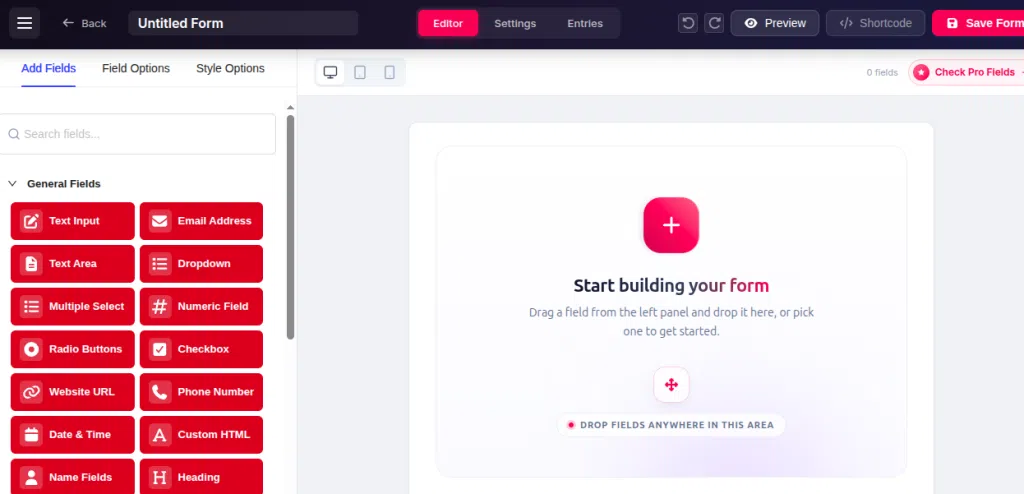
FormGlut combines a visual drag‑and‑drop builder with deep integration to popular email services. Its free plan lets you create unlimited forms, and the premium tier adds conditional logic, multi‑page forms, and advanced analytics. Check out the official FormGlut page for detailed docs.
- Unlimited forms on the free plan
- Conditional logic and calculations
- Payment gateway support (Stripe, PayPal)
- Built‑in GDPR consent fields
- Responsive templates
2. WPForms
WPForms is known for its beginner‑friendly interface and pre‑built templates. The Lite version covers basic contact forms, while the Pro version adds surveys, payments, and marketing integrations. It integrates seamlessly with many WordPress plugins.
- Smart conditional logic
- Instant form previews
- Spam protection with reCAPTCHA
- Addon ecosystem for email marketing
3. Ninja Forms
Ninja Forms offers a modular approach: start with a basic form and add extensions as needed. Its free core is lightweight, and extensions like PayPal or Salesforce are sold individually, making it cost‑effective for specific needs.
- Free core plugin
- Pay-as-you-go extensions
- Developer‑friendly with custom hooks
4. Gravity Forms
Gravity Forms has been a staple for advanced users. It shines with its extensive add‑on library and powerful conditional logic. The plugin is premium‑only, but its reliability and support justify the price for enterprise sites.
- Advanced conditional logic
- Multi‑page forms
- Robust API for developers
- Wide range of official add‑ons
5. Formidable Forms
Formidable Forms is geared toward data‑driven sites. It lets you build complex forms that store entries as custom post types, making it easy to display data in tables or charts on the front end.
- Form to view data tables
- Graphical data visualizations
- Calculated fields
- User‑generated content
6. Caldera Forms
Caldera Forms focuses on a visual grid builder, letting you place fields exactly where you want them. While the free version is solid, premium add‑ons unlock payment processing and advanced integrations.
- Drag‑and‑drop grid layout
- Free core with essential fields
- Premium add‑ons for e‑commerce
7. HappyForms
HappyForms is a lightweight, free‑first option perfect for bloggers and small businesses. It integrates tightly with the WordPress Customizer, so you can style forms without extra CSS.
- Free core with essential fields
- Customizer integration
- Fast loading times
- Basic spam protection
Why Choose FormGlut?
FormGlut stands out because it balances ease of use with powerful features, all while keeping the free tier generous. Its built‑in GDPR consent checkbox, real‑time analytics, and seamless integration with popular email services make it a reliable choice for any WordPress site.
Conclusion
All seven plugins offer solid form‑building capabilities, but your choice should match your site’s complexity, budget, and integration needs. For most users, especially those who value a generous free plan and GDPR‑ready features, FormGlut is the clear winner.